

Doctor in Chemistry
Student Feedback
Student Publication
PROFILE
Vision
To become a leading postgraduate institution of doctoral chemistry education at national and regional level in 2020 and recognized at the international level in 2026 in the development of chemistry for the welfare of society.
Mission
- To develop comprehensive chemistry in line with the development of science and technology.
- To strengthening and developing chemical science institutional networks at the national, regional and international levels.
- To organize advanced chemistry education to produce doctors in chemistry chemistry who master and are able to develop their knowledge independently through the tridharma activities of higher education to answer local and global challenges.
- To improve the quality of human resources and managerial capabilities of educators and education staff.
- To improve the quality of education and services to students.
- To improve the welfare of educators and education staff.
- To develop research (related to the topic of the dissertation), which has a different color and has different advantages from other universities, both nationally and regionally.
- To develop good governance.
 |
 |
|
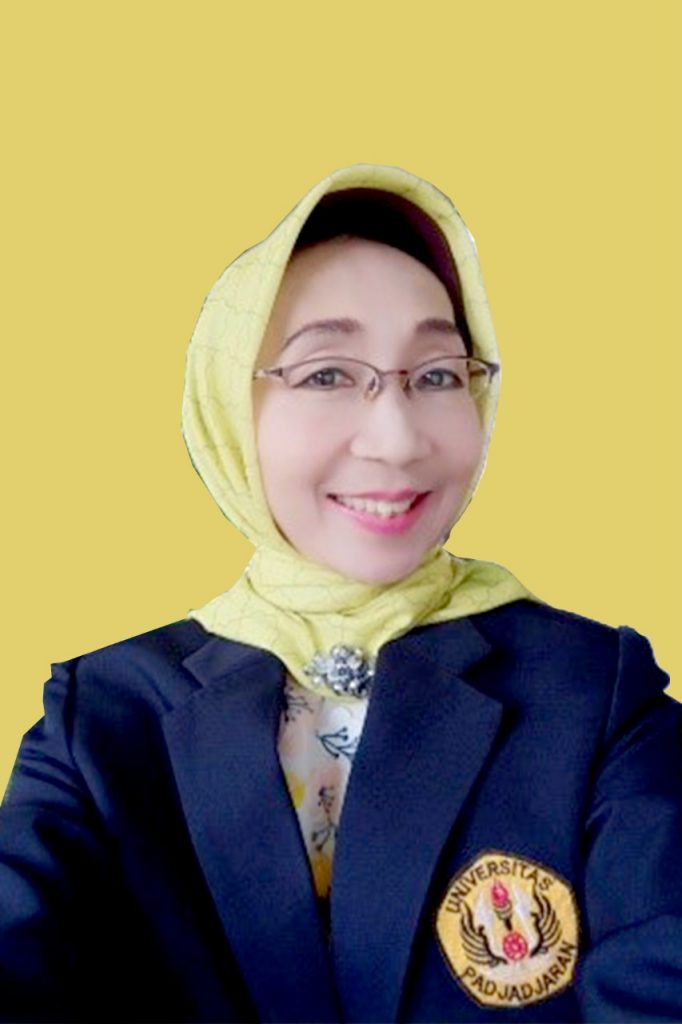
| Head of Doctoral Degree Program Prof. Dr. Tati Herlina, M.Si.NIP e-mail: [email protected] |
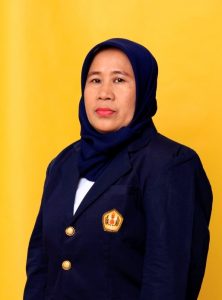
Secretary Ai Rohayati e-mail: [email protected] |
| NO | NAME | NIP (EMPLOYEE ID NUMBER) |
| 1 | Prof. Dr. Tati Herlina, M.Si. | 19620320 198803 2 001 |
| 2 | Prof. Dr. Ace Tatang Hidayat, M.Si. | 19671229 199702 1 001 |
| 3 | Prof. Dr. R. Ukun MSS, MS. | 19521028 198603 1 001 |
| 4 | Prof. Dr. Unang Supratman, MS. | 19660704 199101 1 001 |
| 5 | Prof. Dr. Iman Permana Maksum, M.Si. | 19710713 199702 1 001 |
| 6 | Prof. Dr. Atiek Rostika Noviyanti, M.Si. | 19711111 199903 2 001 |
| 7 | Prof. Dr. Dikdik Kurnia, M.Sc. | 19730708 199903 1 001 |
| 8 | Dr. Desi Harneti Putri Huspa, M.Si. | 19740411 199803 2 001 |
| 9 | Prof. Dr. Yeni Wahyuni Hartati, M.Si | 19710924 199802 2 001 |
| 10 | Prof. Dr. Husein H. Bahti | 19480419 197310 1 001 |
| 11 | Prof. Rani Maharani, Ph.D. | 19810114 200604 2 002 |
| 12 | Prof. Dr. Iman Rahayu | 19690208 199412 1 001 |
| 13 | Prof. Dr. Toto Subroto | 19590901 198702 1 001 |
| 14 | Prof. Dr. Euis Julaeha | 19620320 198803 2 001 |
| 15 | Dr. Solihudin | 19630305 199102 1 001 |
| 16 | Dr. Anni Anggraeni | 19580317 198601 2 002 |
Find us at:
D5 Building
Jatinangor, Sumedang Regency, West Java 45363
Indonesia
e-mail: [email protected]
phone & fax: +62 22 7794391
FACILITIES
Chemistry Dept. Laboratories
Central Laboratories
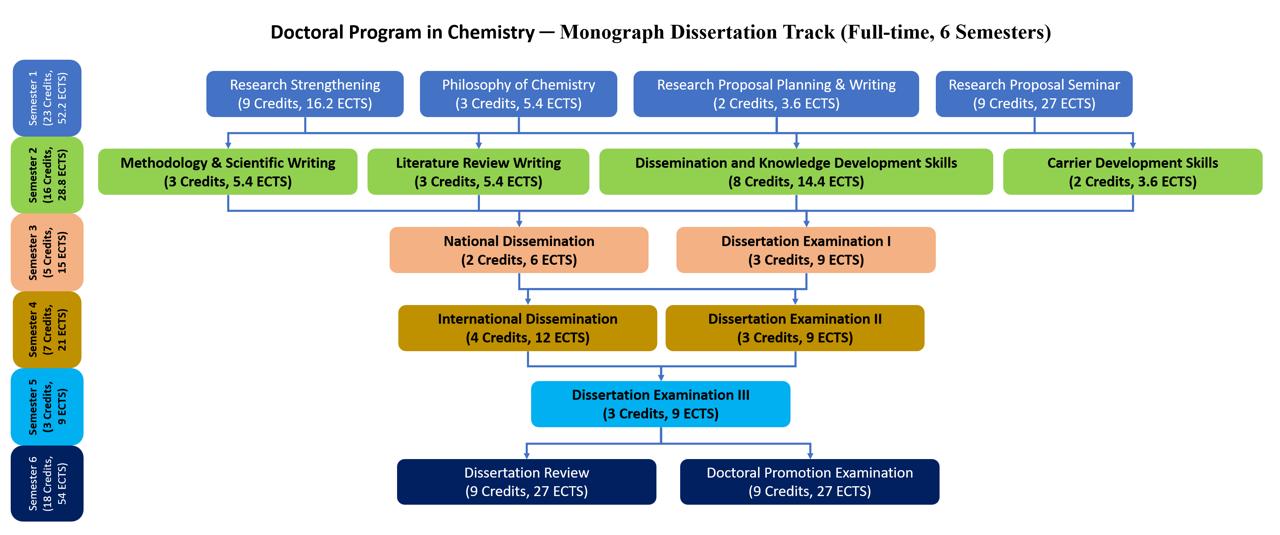
CURRICULUM
| PLO-1 | Mastering chemical concepts properly thus can be able to develop the knowledge independently in accordance with scientific code of ethics in the field of specific topics based on their interests. |
| PLO-2 | Being able to apply their knowledge to the utilization of natural resources with all its aspects and implications. |
| PLO-3 | Being able to create a research plan that can generate novelty that is the result of research, conduct and interpret research, and disseminate the results through seminars and scientific publications as well as intellectual property rights. |
| PLO-4 | Being able to carry out intra-, inter-, and multi-disciplinary research for development of science and technology and community welfare. |
| ILO-1 | Demonstrating a responsible attitude towards work in their field of expertise independently. |
| ILO-2 | Being honest, disciplined, able to work together, respect the work of others, able to work systematically, and uphold scientific ethics. |
| ILO-3 | Mastering the philosophy/theory/concept of chemistry and its application in the field of natural product chemistry, biological and non-biological as well as environmental chemistry. |
| ILO-4 | Mastering the principles and process of discovering novelty and originality in the field of science chemistry and its applications. |
| ILO-5 | Mastering the principles of using chemical instruments and software for analysis data and information from the instrument in the field of chemistry and its applications. |
| ILO-6 | Designing novelty/originality of a chemical scientific development and its application (novelty in principles, approaches and methods, as well as scopes), and compiling a comprehensive ‘state of art’. |
| ILO-7 | Designing and managing multi-, inter-, and transdisciplinary research related to chemistry and comprehensive application at the national/international level. |
| ILO-8 | Being able to make appropriate decisions in the context of solving problems in the field of expertise based on the results of information and data analysis, and capable in documenting, storing, securing, and retrieving data to ensure validity and prevent plagiarism. |
| ILO-9 | Compiling international standard dissertations and scientific publications that have theoretical and practical benefits, and are able to communicate both orally and in writing in national and international languages. |
| ILO-10 | Designing and solving chemistry problems and their applications which are complex and interconnected through multi-, inter- and transdisciplinary research. |
| ILO-11 | Organizing and leading a research effectively involving various disciplines of knowledge. |
| ILO-12 | Being able to use software for analysis and synthesis in the field of chemistry in general or more specific (organic, biochemical, analytical, physical chemistry, or inorganic). |
| ILO-13 | Being able to carry out work and handle hazardous chemicals in accordance with occupational safety and health standards, as well as being able to anticipate and reduce the impact of hazards on the use of chemical substances in community, environment, social and economic. |
| ILO-14 | Being able to apply knowledge of chemistry in the field of chemistry of living and non-biological natural materials as well as environmental chemistry thus it is beneficial for community, environmental, social and economic life. |
Course Modules
Please click the semester toggles below to access the course modules
Semester #1
Semester #2
Semester #3
Semester #4
Semester #5
Semester #6
SERVICES
Libraries
We have a university library for all Unpad Students and Staffs located at Grha Kandaga, which can also be accessed online over http://kandaga.unpad.ac.id or https://login.unpad.idm.oclc.org/menu. Additionally, students have access directly to Faculty Library at D6 Building Floor 2 & 3.
- Central library
- Faculty library
- Online National Library (PNRI)
ICT
Information System For Administrative Purposes
Office Information System (e-Office)
Employee Performance Information System (KKID)
System Authentication Information System (PAUS-ID)
Lecturer Information System (Staffs)
Student Information System (PACIS)
Information Systems for Learning and Research Activities
Learning Information System (LIVE)
Library Repository Information System (Kandaga)